AI at the speed of now The future of AI isn’t just in the cloud, it’s at the edge, where data is created and decisions must be made instantly, securely, and at scale. Edge Intelligence combines edge computing with AI to enable real-time processing directly at the source, powering faster, smarter, and more resilient operations.
Ultra-low
Latency
Make decisions in milliseconds, critical for autonomous systems, industrial automation, and AR/VR.
Reduced Bandwidth
Costs
Analyse data locally, sending only essential insights to the cloud, saving bandwidth and lowering costs.
Enhanced Data Privacy
Keep sensitive data on-site, ideal for regulated industries like healthcare and finance.
Offline
Functionality
Operate without internet access, perfect for remote locations, field ops, and disaster resilience.
Scalability &
Resilience
Distribute computing across thousands of devices, reducing single points of failure and enabling scale.
AI at the
Edge
Deploy ML models directly on sensors, cameras, gateways, and robots, enabling local intelligence.
Edge
Devices
Smart, compute-ready hardware near the data source, IoT devices, embedded systems, and mobile units.
Edge–Cloud Collaboration
Edge handles real-time action; the cloud handles long-term learning, delivering the best of both worlds.
1
Faster & More Accurate Receiving & Shipping
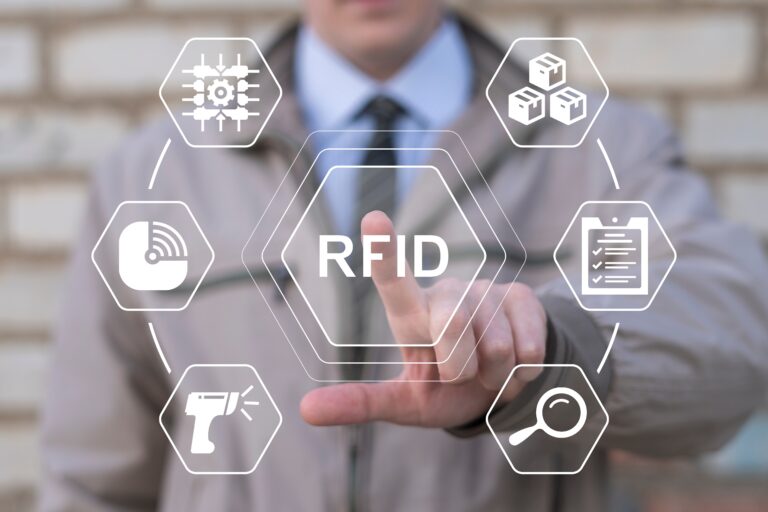
RFID tags allow for rapid bulk scanning of pallets or items, significantly speeding up inbound and outbound logistics. This reduces dwell times at docks and ensures correct shipments, minimizing costly errors and returns.
Real-Time Inventory Visibility
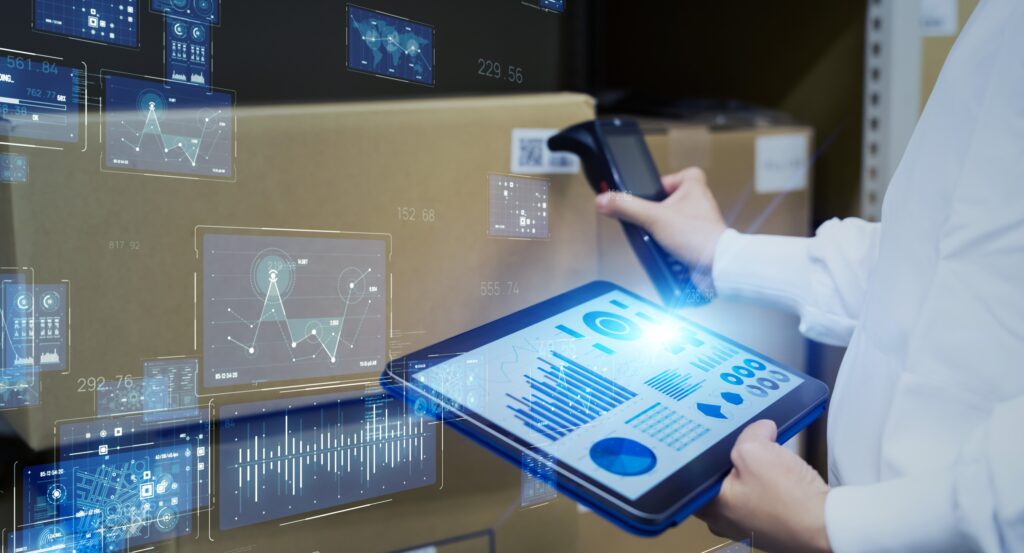
RFID enables automatic and continuous tracking of raw materials, work-in-progress (WIP), and finished goods. This ensures accurate inventory counts without manual scanning and helps prevent stockouts, overstocking, and production delays.
Work-in-Progress
(WIP)
Tracking
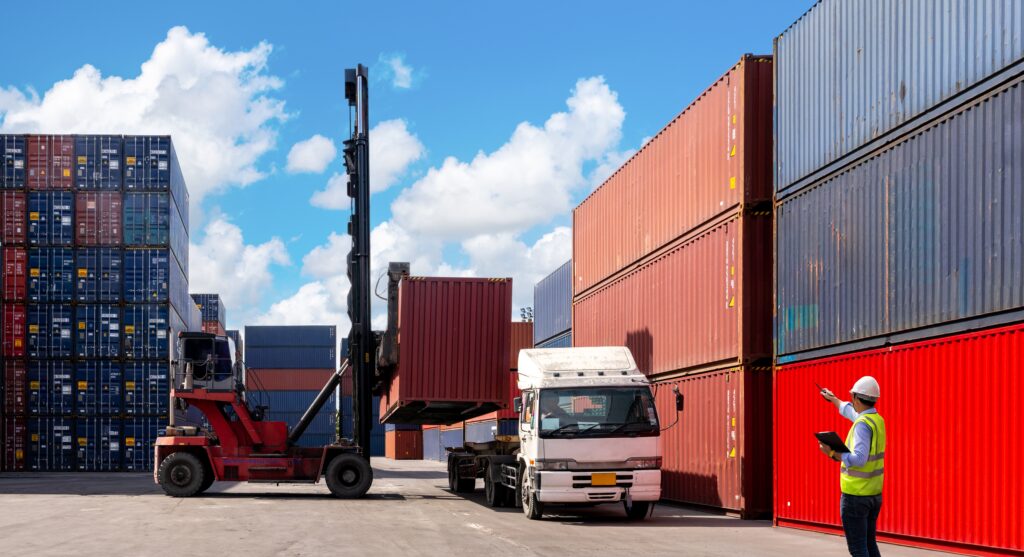
RTLS enables ports to track the exact location of containers, trucks, and handling equipment in real time. This eliminates the need for manual checks or time-consuming searches for misplaced assets, significantly reducing idle times and streamlining container handoffs between yard, gate, and vessel.
Automated Replenishment
RFID-based systems can trigger automatic replenishment when material levels fall below a threshold, especially in just-in-time (JIT) or lean manufacturing environments. This helps avoid production stoppages due to material shortages.
Error Reduction in Assembly
In complex assembly processes, RFID ensures that the right parts are used at the right stations. Tagged components can be verified against a digital bill of materials (BOM), reducing assembly errors and improving product quality.
Asset and Tool Tracking
RFID allows for efficient management of mobile assets such as forklifts, carts, and specialized tools. Plants can track utilization, location, and availability, minimizing downtime caused by misplaced or unavailable equipment.
Improved
Traceability
and Compliance
RFID supports end-to-end traceability of products and materials, which is critical for industries like automotive, pharmaceuticals, and food & beverage. This aids in quality control, recalls, and regulatory compliance.