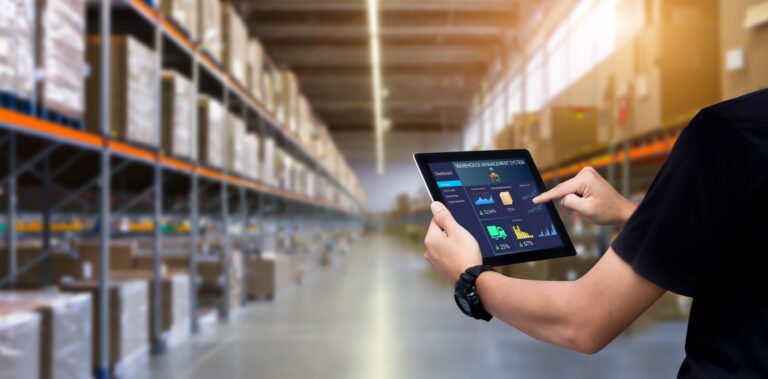
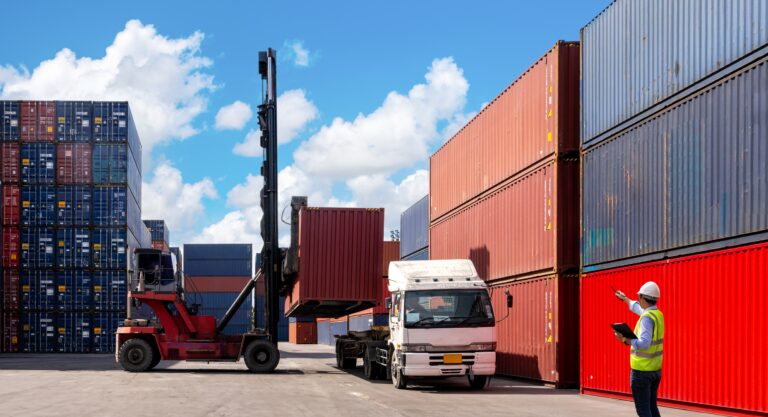
RTLS: A Strategic Enabler for Smarter Ports As global trade accelerates and port operations grow more complex, Real-Time Location Systems (RTLS) have become a strategic must-have. By addressing inefficiencies and enabling real-time visibility, RTLS helps ports reduce congestion, boost throughput, and deliver faster, more reliable service.
Enhanced Asset Visibility
Track containers, trucks, and equipment in real time: eliminating manual searches, reducing real time, and ensuring faster container transfers across yard, gate, and vessel.
Improved
Yard Management
Continuously monitor yard activity to optimise container placement, minimise crane movement, and streamline stacking, unlocking higher terminal throughput.
Faster
Turnaround for Trucks
Live tracking of truck locations and queues enables smarter gate assignments and faster checkpoint processing, cutting down delays and congestion.
Better Workforce Utilisation
Use movement data to identify delays, reassign idle assets, and optimise personnel allocation, improving productivity and reducing labour inefficiencies.
Predictive Maintenance and Downtime Reduction
Integrate RTLS with sensors to monitor equipment usage and health, triggering predictive maintenance and preventing unplanned breakdowns of critical assets.
Data-Driven Decision Making
RTLS generates actionable data to highlight inefficiencies, guide infrastructure planning, and power continuous operational improvements.
Enhanced Safety and Security
Track personnel, detect hazardous movements, and manage access to restricted zones, enabling safer environments and better emergency response protocols.
1
Faster & More Accurate Receiving & Shipping
RFID tags allow for rapid bulk scanning of pallets or items, significantly speeding up inbound and outbound logistics. This reduces dwell times at docks and ensures correct shipments, minimizing costly errors and returns.
Real-Time Inventory Visibility
RFID enables automatic and continuous tracking of raw materials, work-in-progress (WIP), and finished goods. This ensures accurate inventory counts without manual scanning and helps prevent stockouts, overstocking, and production delays.
Work-in-Progress
(WIP)
Tracking
RTLS enables ports to track the exact location of containers, trucks, and handling equipment in real time. This eliminates the need for manual checks or time-consuming searches for misplaced assets, significantly reducing idle times and streamlining container handoffs between yard, gate, and vessel.
Automated Replenishment
RFID-based systems can trigger automatic replenishment when material levels fall below a threshold, especially in just-in-time (JIT) or lean manufacturing environments. This helps avoid production stoppages due to material shortages.
Error Reduction in Assembly
In complex assembly processes, RFID ensures that the right parts are used at the right stations. Tagged components can be verified against a digital bill of materials (BOM), reducing assembly errors and improving product quality.
Asset and Tool Tracking
RFID allows for efficient management of mobile assets such as forklifts, carts, and specialized tools. Plants can track utilization, location, and availability, minimizing downtime caused by misplaced or unavailable equipment.
Improved
Traceability
and Compliance
RFID supports end-to-end traceability of products and materials, which is critical for industries like automotive, pharmaceuticals, and food & beverage. This aids in quality control, recalls, and regulatory compliance.